Your dog isn't being spiteful when you leave
· 6 min read
You come home to a shredded cushion and a dog who looks guilty. The guilty look is a reaction to your face, not a confession — dogs are very good at reading tone and very bad at connecting a telling-off to something they did four hours ago. What's actually happening is usually one of two quite different things.
Boredom and separation distress look similar and need different answers
Boredom looks like destruction with a target: a chewed shoe, a raided bin, a dug-up plant. It tends to happen in the middle of a long absence, the dog is otherwise relaxed, and it usually stops once there's something better to do.
Separation distress looks different. It starts within minutes of you leaving, often focuses on doors and windows or the route you left by, and can come with pacing, drooling, house-soiling in an otherwise clean dog, or continuous vocalising. The dog isn't under-occupied — it's panicking.
This distinction matters because enrichment helps enormously with the first and barely touches the second. A dog in real distress often won't eat at all while you're gone, which means the puzzle feeder you left out will still be full when you get back. That's a useful diagnostic: if the food is untouched, the problem probably isn't boredom, and the right next step is a vet or a qualified behaviourist rather than another toy.
If it is boredom, the fix is structure, not volume
The instinct is to buy more toys. It rarely works, because a pile of toys on the floor is one thing — a static, always-available, quickly-boring thing. What changes a long day is having a few distinct events in it.
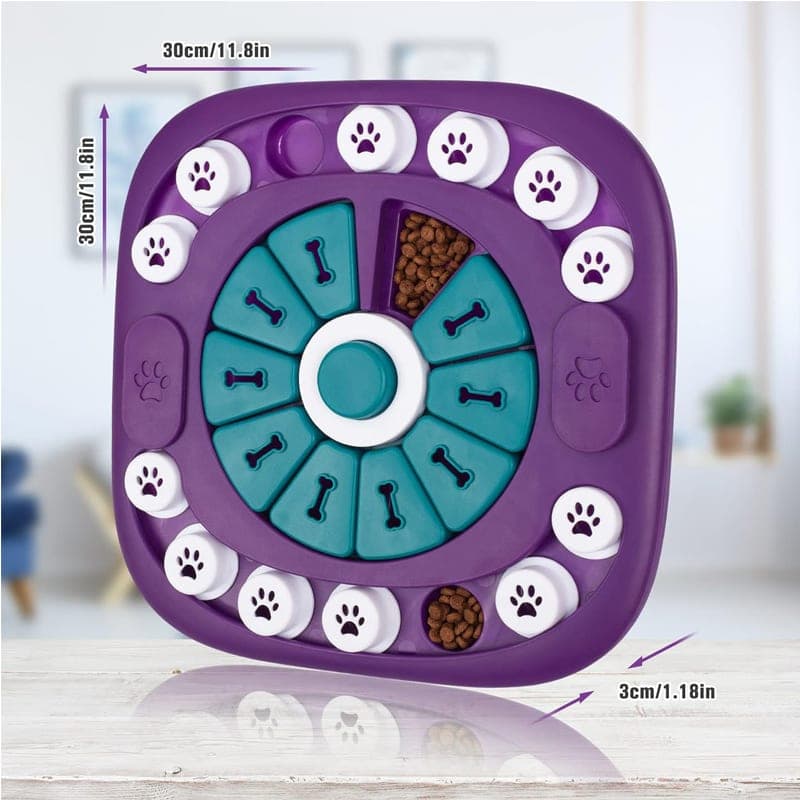
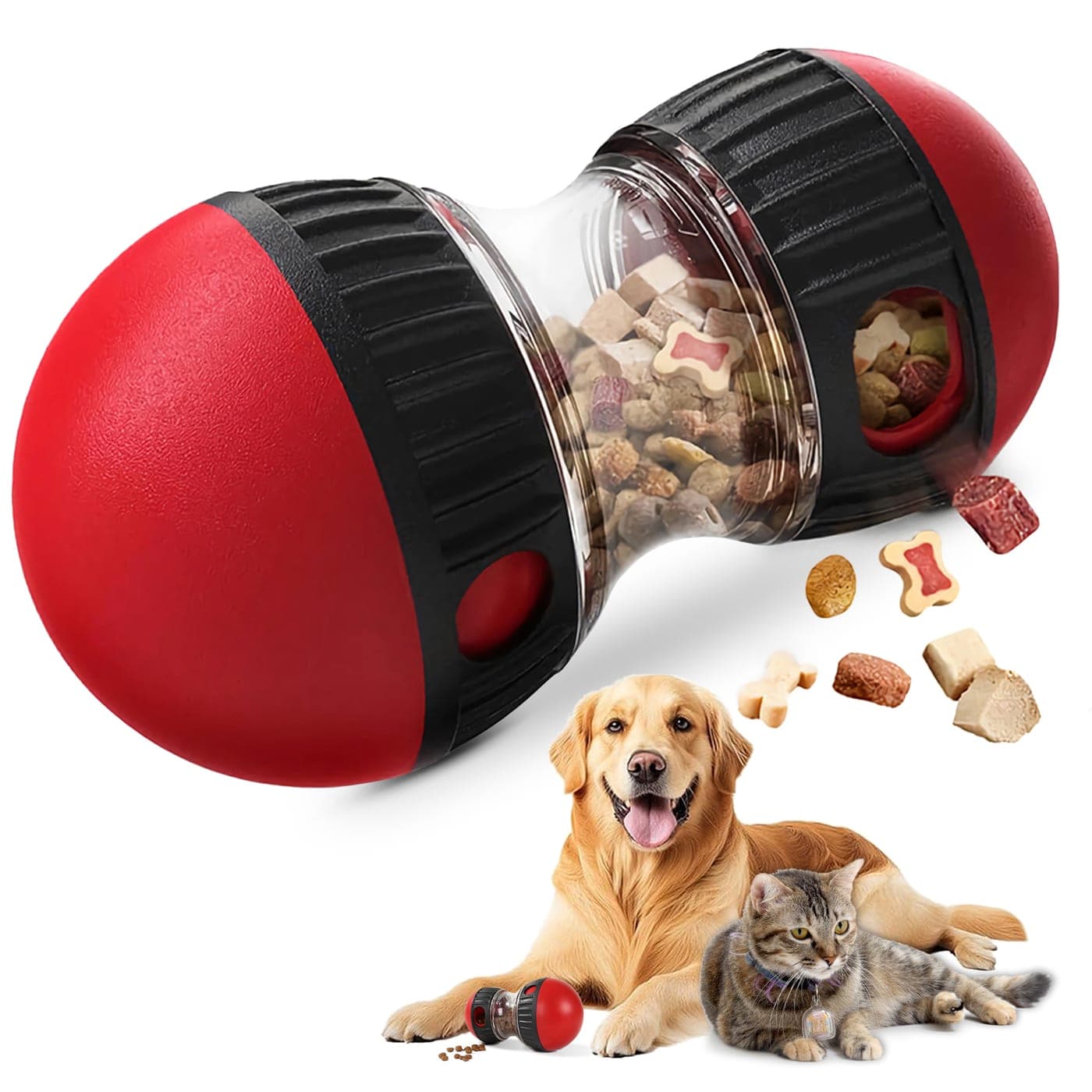
- Feed at least one meal out of a puzzle rather than a bowl, so there's a job in the middle of the day.
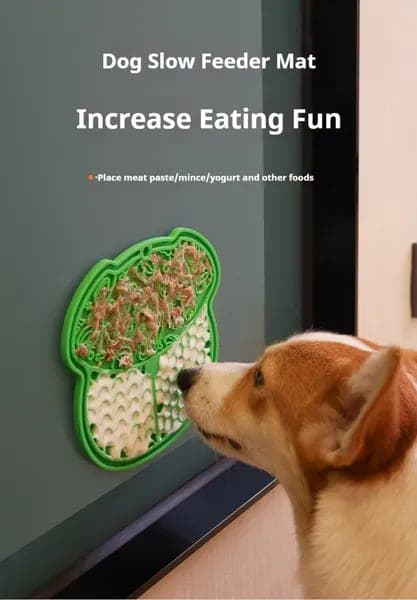
- Freeze a loaded lick mat before you go. Frozen takes two to three times longer than not.
- Rotate what's available. Three toys on a weekly rotation beat nine toys permanently on the floor, because novelty is doing most of the work.
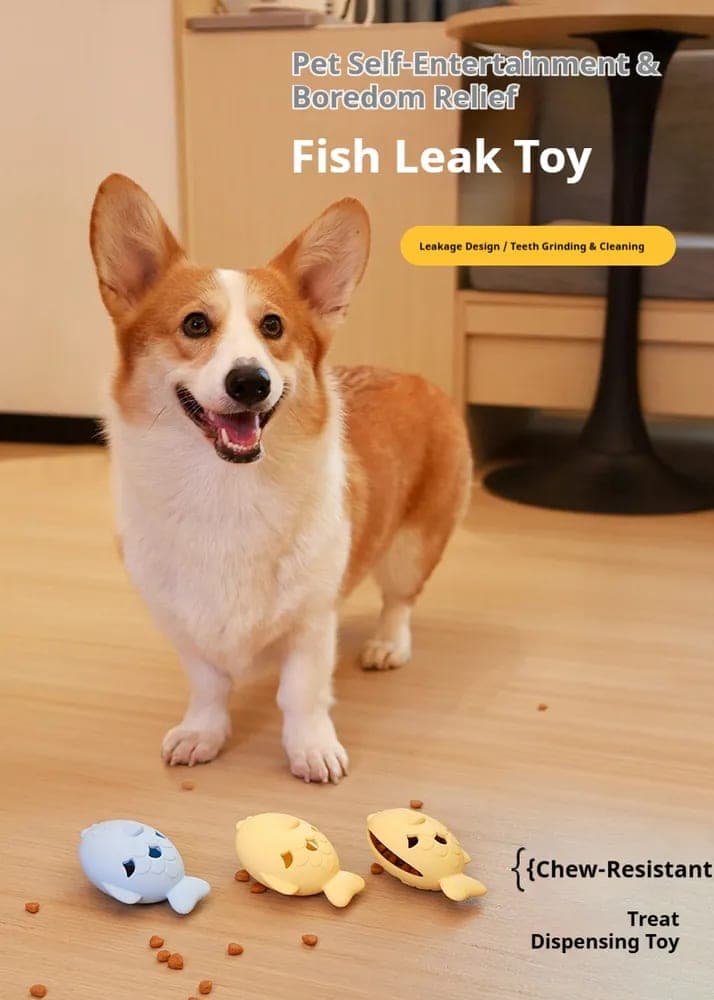
- Leave something to chew that is legal and obvious, so the choice isn't between your skirting board and nothing.
Tire the nose, not just the legs
A long walk is good for a dog and it is not a substitute for mental work. Plenty of people walk their dog for an hour, come home, and find the dog ready to go again twenty minutes later.
Scent and problem-solving work drain differently. A dog working out a puzzle board is concentrating hard, and concentration is tiring in a way that trotting alongside you isn't. Ten or fifteen minutes of it often produces a dog who then sleeps, which an extra half-hour of walking would not have.
What not to bother with
Telling them off when you get home. They will not connect it to the event, and you'll add anxiety about your return to whatever was already going on.
Leaving the TV or radio on as a complete solution. It's harmless and it makes some dogs settle slightly, but on its own it isn't going to occupy an under-stimulated dog for eight hours.
Buying the biggest, hardest puzzle available as a first purchase. See the point above about dogs giving up.