An indoor cat still needs something to hunt
· 5 min read
Keeping a cat indoors is, for a lot of people, the responsible choice — it's safer for the cat and better for local wildlife. What it also does is remove almost every opportunity for the behaviours that structure a cat's day. Those behaviours don't go away. They come out somewhere else, usually at an inconvenient hour.
The hunting sequence, and why interrupting it causes trouble
A cat's natural pattern runs roughly: stalk, chase, pounce, kill, eat, groom, sleep. It's a sequence, and completing it is what produces the settled, sleepy cat at the end.
An indoor cat with a bowl of food gets the last few steps and none of the first ones. Play that never resolves into catching something, or food that appears in a dish with no effort, leaves the sequence unfinished. A cat with an unfinished hunting sequence is a cat with energy and no outlet, which is where the 4am sprint down the hallway comes from.
Make the food part of the hunt
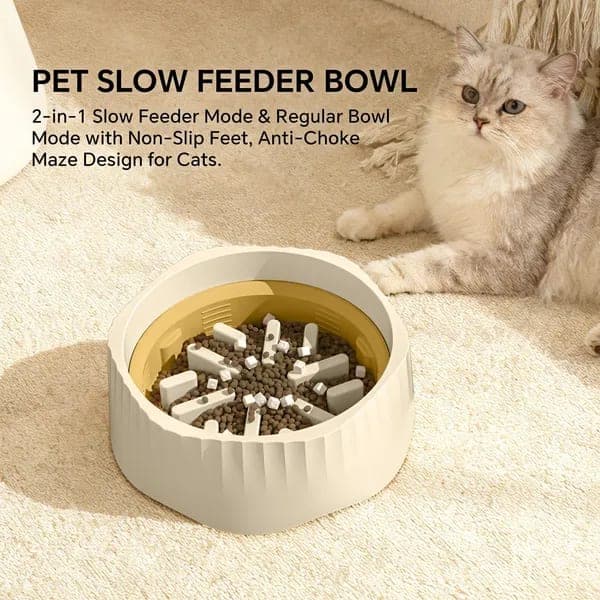
The single highest-value change is to stop serving food in an open dish. Putting a portion into a puzzle, a maze bowl or scattered around the room gives the meal a search-and-solve stage in front of it.
For cats specifically, the size of the obstacle matters. A slow feeder designed for a dog's muzzle is usually too coarse to slow a cat at all — the ridges need to be spaced for a smaller mouth or the cat just clears it in the same thirty seconds.
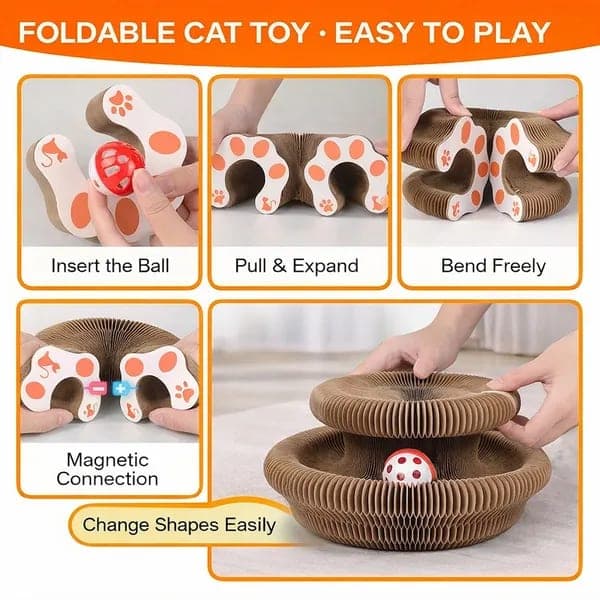
Scratching isn't optional and can't be trained away
Scratching maintains claws and leaves both a visual and a scent mark. A cat will do it. The only question is on what.
The mistake almost everyone makes is buying a scratcher and putting it where it looks tidy — in a corner, out of the way, across the room from the sofa that's being destroyed. Cats choose the location first and the surface second. A scratcher placed directly against the thing being scratched gets used; the same scratcher three metres away gets ignored. Once it's reliably in use, you can move it a few inches at a time.
Play that ends in a catch
Wand play is excellent and most people stop it wrong — they get bored, put the wand away mid-game, and leave the cat mid-sequence.
Let the session finish with the cat actually catching the toy, then follow it with a small meal or a few treats. That completes stalk-chase-pounce-catch-eat in the order the cat is built for, and it's usually followed by grooming and sleep. It's also why solo puzzle toys that release food work better than solo toys that don't — the catching pays off.
And the water bowl
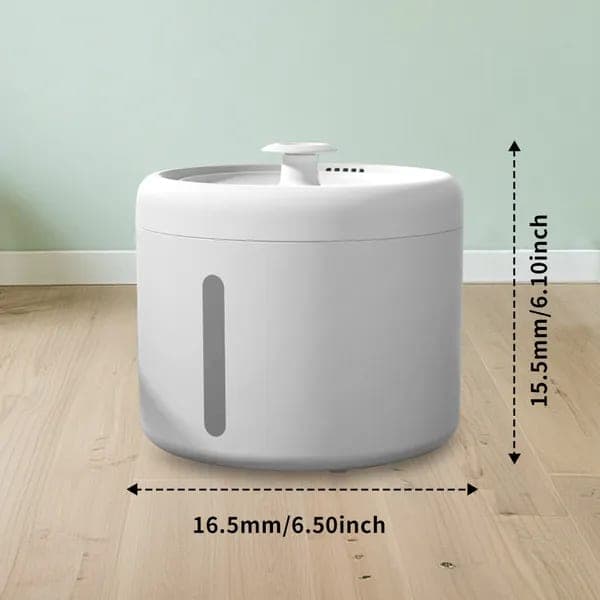
Cats came from desert-dwelling ancestors and get much of their water from prey, which is why plenty of them under-drink from a still bowl. Moving water tends to interest them more, and a fountain is the usual way to get it.
One practical note: whichever fountain you buy, look at how it comes apart before you look at how it looks. Any fountain builds up biofilm, and the ones that are awkward to dismantle are the ones that end up unplugged in a cupboard within two months.